
Builders Risk Insurance in Pittsburgh, PA
Serving Pittsburgh and Allegheny County
Pittsburgh’s geography shapes its construction. Neighborhoods climb steep hillsides above the Allegheny, Monongahela, and Ohio rivers, many streets end in public stairways, and a good share of the housing stock is a century old. Builders here deal with retaining walls, unstable slopes, tight infill lots between existing homes, and winters that bring snow, ice, and repeated freeze-thaw cycles. Peak Insurance serves clients in western Pennsylvania and can help Pittsburgh owners, contractors, and developers compare builders risk options for eligible projects.
Builders risk, also called course of construction insurance, is temporary property coverage for a building during construction or renovation. See our builders risk insurance page for the full overview. This page covers what is specific to building in Pittsburgh and Allegheny County.
Weather on an open job site
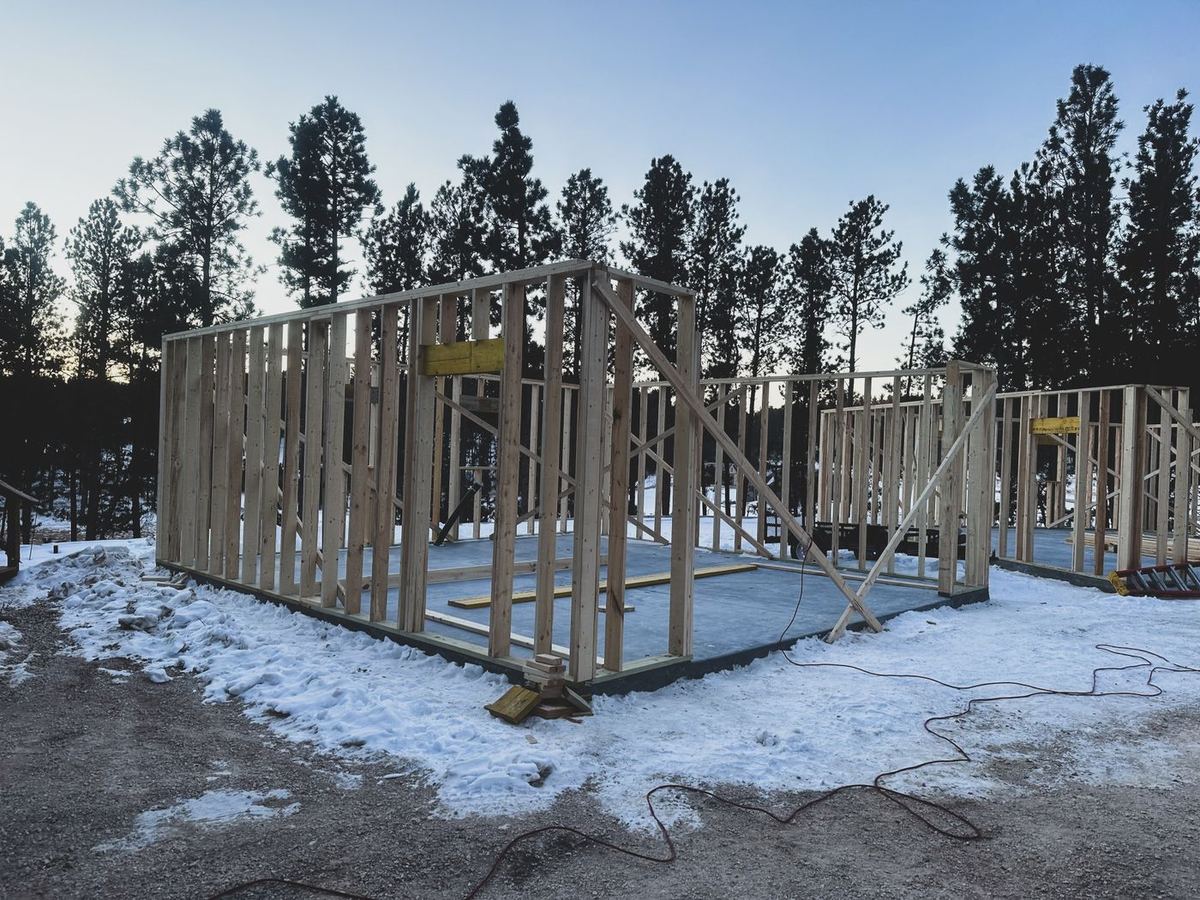
An Allegheny County winter can be hard on a project that is not yet closed in. Common questions include:
- Snow and ice load on partially framed roofs or temporary structures
- Frozen pipes once plumbing is roughed in but the building is not fully heated
- Wind damage to framing, sheathing, or scaffolding
- Heavy rain soaking exposed framing or flooding an open excavation
Policies may address certain weather perils, subject to deductibles, limits, and exclusions. Some forms have conditions about maintaining heat or protecting the building from freezing. Water damage, surface water, and flood are often treated differently from wind. Ask how a specific policy handles each, and plan your schedule so the building is closed in before the worst weather when possible.
Hillside lots and earth movement
Landslides and slope movement are a known issue in parts of Pittsburgh. Excavating into a hillside, building retaining walls, or adding a foundation on a slope increases the attention underwriters give to a project. Losses from earth movement, landslide, settling, and subsidence are frequently excluded from builders risk policies or available only on limited terms. Do not assume they are included. A geotechnical report, if you have one, can be helpful to share.
Urban infill and older buildings
Many Pittsburgh projects are infill: a new home on a vacant lot between two existing houses, or a rehab of a brick rowhouse or a former commercial building. Close neighbors raise liability questions that builders risk does not address, so confirm your contractor’s general liability is in place. On rehabs, the existing structure’s value and the new work’s value may be insured differently, depending on the carrier. Older buildings may also need code upgrades after a covered loss, which can require ordinance or law coverage by endorsement.
Vacant buildings and investor rehabs
Investors buying older Pittsburgh properties for renovation often hold buildings vacant during the work. Vacancy can affect how a policy responds, and some carriers may ask about security and how often the site is visited. If the building will be vacant before or after construction, tell us.
Who typically buys builders risk in Pittsburgh
- Homeowners building on a city lot or renovating an older home
- Investors rehabbing rowhouses and multifamily buildings
- General contractors whose contracts require them to insure the project
- Developers of new residential or commercial buildings
- Lenders requiring proof of project property coverage
The contract and loan documents usually determine who purchases the policy and which parties must be named.
What builders risk generally does not do
It typically does not replace general liability, workers’ compensation, or contractor tools and equipment coverage, and it usually excludes faulty workmanship and design.
For a Pittsburgh quote, have ready
- Project address and neighborhood
- Lot grade and any retaining wall or excavation work
- New construction, addition, or rehab
- Construction budget, existing value, and completed value
- Start and expected completion dates, including winter months
- Plans for temporary heat and site security
- Owner, contractor, and lender
Contact Peak Insurance
Call (855) 449-8552 Monday–Friday, 8:30 AM–4:30 PM, or request a builders risk quote. Peak Insurance is headquartered at 6110 Ridge Ave, Philadelphia, PA 19128, and serves clients across Pennsylvania. Coverage, eligibility, and terms vary by carrier and project; the issued policy and endorsements control.
Get a Builders Risk Quote in Pittsburgh, PA
If the embedded form does not load, open the Peak Insurance form directly or call (855) 449-8552.
Pittsburgh Local References & Nearby Areas
For a general explanation of builders risk, see our main builders risk insurance page and our statewide guide to builders risk insurance in Pennsylvania. For other coverage in this area, visit Peak Insurance in Pittsburgh.
- Other Pennsylvania builders risk pages: Philadelphia, Roxborough, Manayunk, Chestnut Hill, Lafayette Hill, Chester County, Fox Chapel and Sewickley Heights
Frequently Asked Questions
- Does builders risk cover landslide damage on a Pittsburgh hillside?
- Landslide and earth movement are often excluded or available only on limited terms. Ask about it specifically, and share any geotechnical report you have.
- What if pipes freeze before the building is heated?
- It depends on the policy. Some forms include conditions about maintaining heat or protecting against freezing. Ask how the policy handles freeze damage during construction.
- Is snow load on an unfinished roof a covered peril?
- Some policies may address weight of snow or ice, subject to terms and exclusions. Confirm with the specific policy before winter.
- Can I insure a vacant rowhouse I am rehabbing?
- Some carriers may write builders risk for vacant rehabs, often with security or vacancy conditions. Tell us how long the building will be empty.
Peak Insurance – Builders Risk Insurance for Pittsburgh, PA
📞 (855) 449-8552
🌠peakinsuranceusa.com
Photo: Cameron LaVallie, Pexels License. Source: https://www.pexels.com/photo/wooden-frames-of-houses-in-winter-23322383/.
