
Builder’s Risk Insurance in Philadelphia
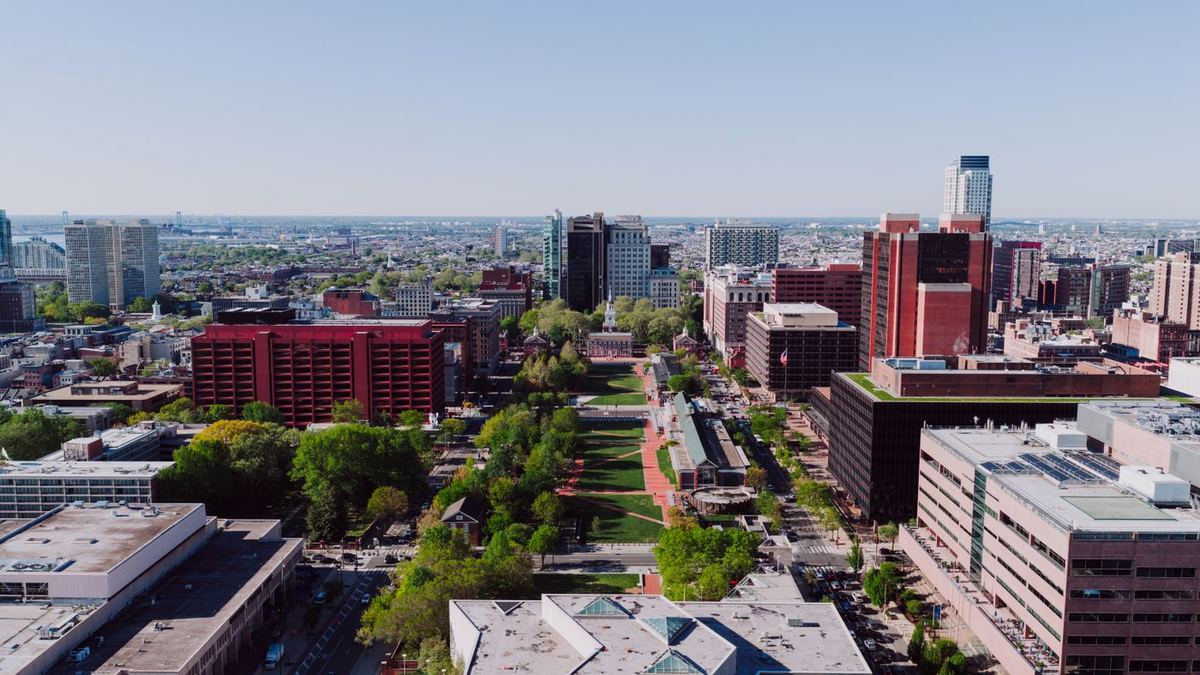
Serving Philadelphia Renovations, Infill Construction and Commercial Projects
Builder’s risk insurance in Philadelphia should distinguish the building you already own from the work you are adding. A rowhouse renovation, a new infill home and a tenant build-out do not create the same property interests. Peak Insurance helps owners, builders and investors compare eligible project options through our access to 60+ carriers, subject to availability and eligibility.
Our office is at 6110 Ridge Ave, Philadelphia, PA 19128. Bring the address, plans, scope, construction value and current use so we can review the proposed policy alongside your project requirements. Permits, a contractor’s liability certificate and builder’s risk each answer different questions. None should be treated as a substitute for the others.
What Sets Us Apart?
- An existing-building review for renovations rather than an assumption that only new work matters
- Help distinguishing insured project property from liability to adjacent owners
- Attention to phased occupancy, lender interests and the change to completed-property insurance
Get a Free Builder’s Risk Quote in Philadelphia
Ready to review options for your Philadelphia project?
Call: (855) 449-8552
Online: Book a call
Office: 6110 Ridge Ave, Philadelphia, PA 19128
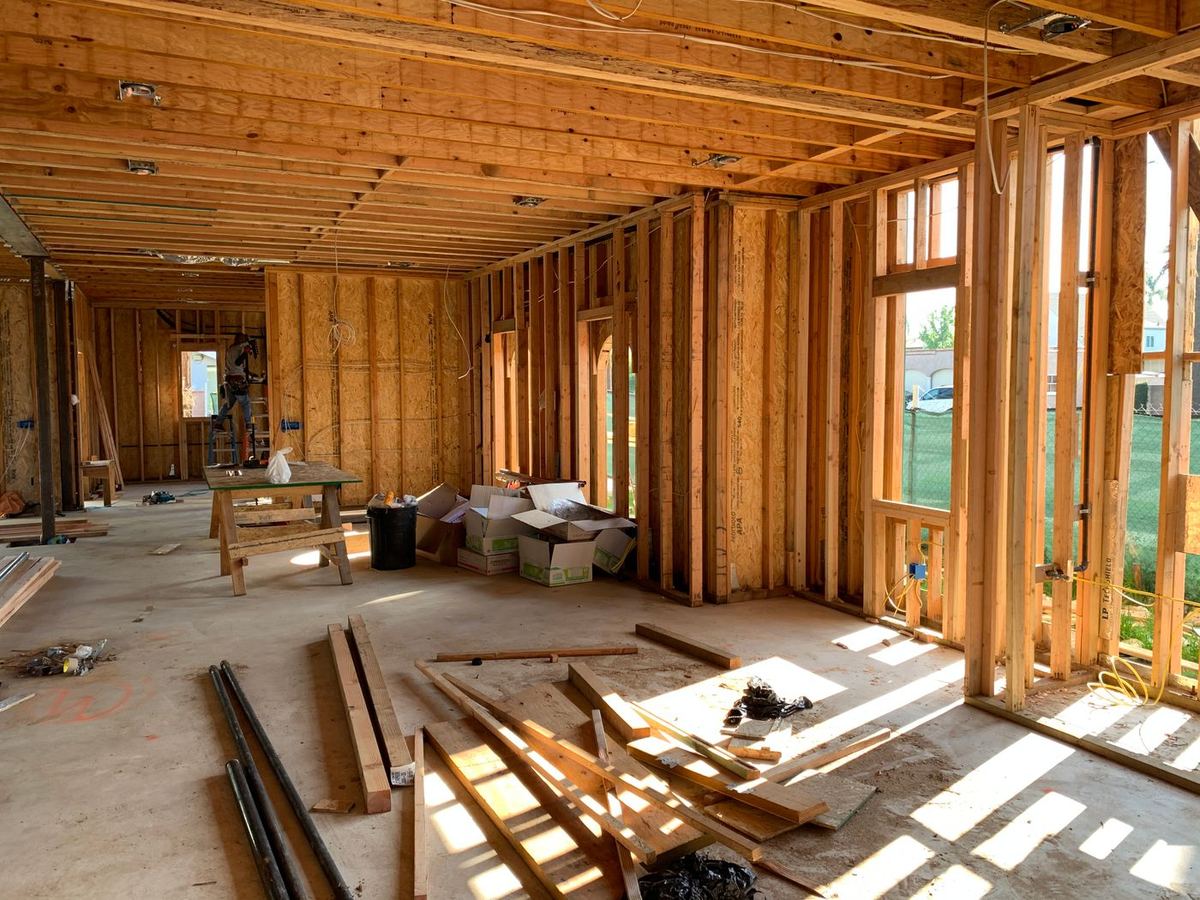
Builder’s Risk Insurance Services We Offer in Philadelphia
- Philadelphia Rowhouse Renovations: Describe retained walls, structural work and existing-building values
- Philadelphia Infill Construction: Identify the building, construction type and project parties
- Additions & Roof Work: Explain openings, temporary protection and work sequencing
- Commercial Fit-Outs: Separate tenant improvements, owner property and business contents
- Floodplain Questions: Discuss mapped hazards and any proposed flood exclusion or separate option
- Materials & Storage: Review deliveries, temporary locations and theft conditions
- Schedule & Occupancy Changes: Ask about extensions and partial use before they occur
- Related Contractor Needs: Keep liability, equipment and surety obligations in a separate review
Philadelphia Building Permit, Adjacent-Property & Flood Resources
The City’s building permit guidance lists new construction, additions, changes to existing structures and other work that needs a permit, subject to its stated exceptions. It also identifies circumstances requiring protection-of-property documentation, including certain excavations and party-wall modifications. Ask your design professional and L&I what applies to the actual work.
Philadelphia’s floodplain approval guidance says construction in the Special Flood Hazard Area has special requirements and calls for flood protection documents with zoning or building permit applications there. That regulatory review is separate from arranging insurance for the construction period.
- Philadelphia L&I building permit and protection-of-property requirements
- Philadelphia approval for construction in the floodplain
- FEMA Flood Map Service Center
Why Choose Peak Insurance for Builder’s Risk in Philadelphia?
- Local Office: Work with Peak Insurance at 6110 Ridge Ave in Philadelphia
- Access to 60+ Carriers: Discuss options available for your Pennsylvania address
- Property Clarity: Identify existing buildings, new work and ownership interests
- Contract Review: Compare the requested insurance documents with the proposal
- Continuity: Discuss vacant, occupied and completed stages of the project
Get a Builder’s Risk Quote in Philadelphia
If the embedded form does not load, open the Peak Insurance form directly or call (855) 449-8552.
Philadelphia Local References & Project Areas
The details below are a working agenda for a Philadelphia construction insurance review. They are not a statement that every renovation is eligible or that a specific peril is included. The proposal, issued policy and endorsements need to be read together.
Rowhouse work: existing structure and adjacent property are different questions
For a rowhouse renovation, describe the structural work rather than using only a label such as rehab. Explain whether joists, a party wall, the roof or the foundation will be altered, and whether the building remains occupied. Identify what will stay in place and what will be removed. Those facts help an insurer decide whether it will consider the project and which property it is being asked to insure.
Ask whether the builder’s risk proposal includes the existing structure, only the new work or another specifically defined interest. A budget showing new labor and materials may not capture the value of retained walls, floors or other existing property. Have the ongoing property insurer review the construction and any vacancy at the same time. Neither insurer should be assumed to accept the work without being told about it.
Damage to an adjacent owner’s building raises a different question from damage to the insured project. Builder’s risk is project property insurance, not a replacement for contractor general liability. Even a liability policy has its own exclusions and conditions. Have the contractor and appropriate insurance adviser review the work and required liability protection separately; do not assume an owner’s builder’s risk quote resolves neighboring-property obligations.
The City’s permit page lists protection-of-property documentation for specified situations, including certain excavation and party-wall work. A pre-construction survey or monitoring plan may be part of the design and permitting process. Such documentation can also help explain the proposed work to an insurer, but it is not evidence that an insurance policy covers every resulting loss.
Infill and commercial fit-outs: identify who owns what
On an infill project, identify the owner, developer, general contractor, lender and any other party whose interest the contract asks to include. Review the insurance provisions before relying on someone else’s certificate. A contractor showing general liability does not establish that the building under construction is insured, and a lender being named does not by itself broaden the property covered.
A commercial fit-out can involve an owner retaining the building while a tenant pays for improvements and separate furnishings. Describe those interests in the application. Ask how installed fixtures, tenant improvements, temporary works and items awaiting installation are defined. Portable business contents and contractor tools may need different coverage from materials that become part of the building.
If a property contains more than one use, explain each use and which areas remain open during construction. A store operating below a renovation or a tenant occupying another portion of the building changes the submission from a fully vacant project. The carrier may impose conditions or decline the work. A clear description is more useful than an assumption that a standard new-building form fits an occupied alteration.
Floodplain construction: approvals do not establish flood coverage
Check the project address in FEMA’s Flood Map Service Center and consult the City’s floodplain approval guidance. Philadelphia requires flood protection documents with zoning or building permit applications for construction in the Special Flood Hazard Area. Your design professional should confirm the required submissions and any review process for the proposed work. Insurance is not a substitute for that approval.
For a renovation, describe any below-grade work, storage and building systems, then ask how the proposed policy defines flood and surface water. Rain entering a temporary roof opening, a plumbing escape and water rising around the building can raise different coverage questions. Do not infer that all water damage is included because one cause is mentioned in a quote.
If flood protection is needed, request a review of a separate policy or an available endorsement for the actual construction stage. Confirm eligibility, limits, effective dates and the treatment of materials. FEMA mapping helps identify mapped hazards; it does not decide what the builder’s risk contract says. A property outside a mapped high-risk area should not be described as having no flood risk.
Keep the project record current through completion
Before asking for a quote, assemble the address, plans, scope, construction type, project budget, existing-building value and schedule. Include contractor details, prior losses, current photographs and lender or contract requirements. For work already underway, identify the start date, completed stages and any damage discovered. A policy request does not make earlier work or known damage retrospectively insured.
Describe where materials will be held before installation. Deliveries to a sidewalk, a supplier’s warehouse or another temporary address should not be treated as the same location without checking the form. Ask about theft conditions, transit and storage sublimits, and keep purchase and delivery records. Contractor-owned equipment belongs on a separate list for review, not hidden inside the building value.
During the job, tell the agent about changed scope, increased values, a different contractor, a pause in work or a revised completion date. If parts of the building will be used before all work ends, report that plan early. Completion, acceptance or occupancy may affect builder’s risk before its printed expiration date. An open punch list does not necessarily keep the policy in force.
Finally, arrange the appropriate ongoing property insurance for the finished use, whether it is owner-occupied housing, a rental or business premises. Check the transition dates with the lender and project team. Builder’s risk is a construction-period arrangement, not a permanent substitute for homeowners, landlord or commercial property insurance. Ask about an extension before expiration if one is needed; carrier approval is not automatic.
Frequently Asked Questions About Builder’s Risk in Philadelphia
- Does Philadelphia builder's risk insure the existing rowhouse?
- Only the proposed wording can answer that. Ask whether the existing structure is included, excluded or insured under a separate arrangement, and provide a value for retained property as requested. Describing only the renovation budget is not the same as asking to insure the entire existing building.
- Does builder's risk satisfy L&I permit requirements?
- Permitting and insurance are separate. L&I's building permit page describes the required applications, contractor information and supporting documents. A builder's risk policy does not issue a permit or replace protection-of-property documentation. Have the project professional confirm the requirements for the scope and site.
- Does it cover damage to my neighbor's property?
- Do not treat builder's risk as liability insurance. It addresses eligible loss to defined project property, subject to the policy. Claims involving neighboring property need a separate liability review, and applicable exclusions still matter. A contractor certificate alone does not explain all of those terms.
- Can a Philadelphia floodplain renovation be considered?
- Provide the address, plans, current stage and floodplain documentation for review. Carrier availability and flood options vary. City approval does not assure insurance eligibility, and a builder's risk proposal does not assure flood coverage. Confirm the specific exclusions, endorsements and any separate flood arrangement before relying on it.
- How do I start a Philadelphia builder's risk quote?
- Call (855) 449-8552 or use the form with the address, existing-building details, scope, budget, schedule and intended occupancy. Include plans, contractor details and lender requirements if available. We will discuss what else is needed for a carrier review; a quote request is not a binder or a promise of coverage.
Peak Insurance – Builder’s Risk Insurance for Philadelphia
📞 (855) 449-8552
🌐 peakinsuranceusa.com
