
Builder’s Risk Insurance in Texas
Serving Texas Owners, Builders and Developers from the Gulf Coast to North Texas
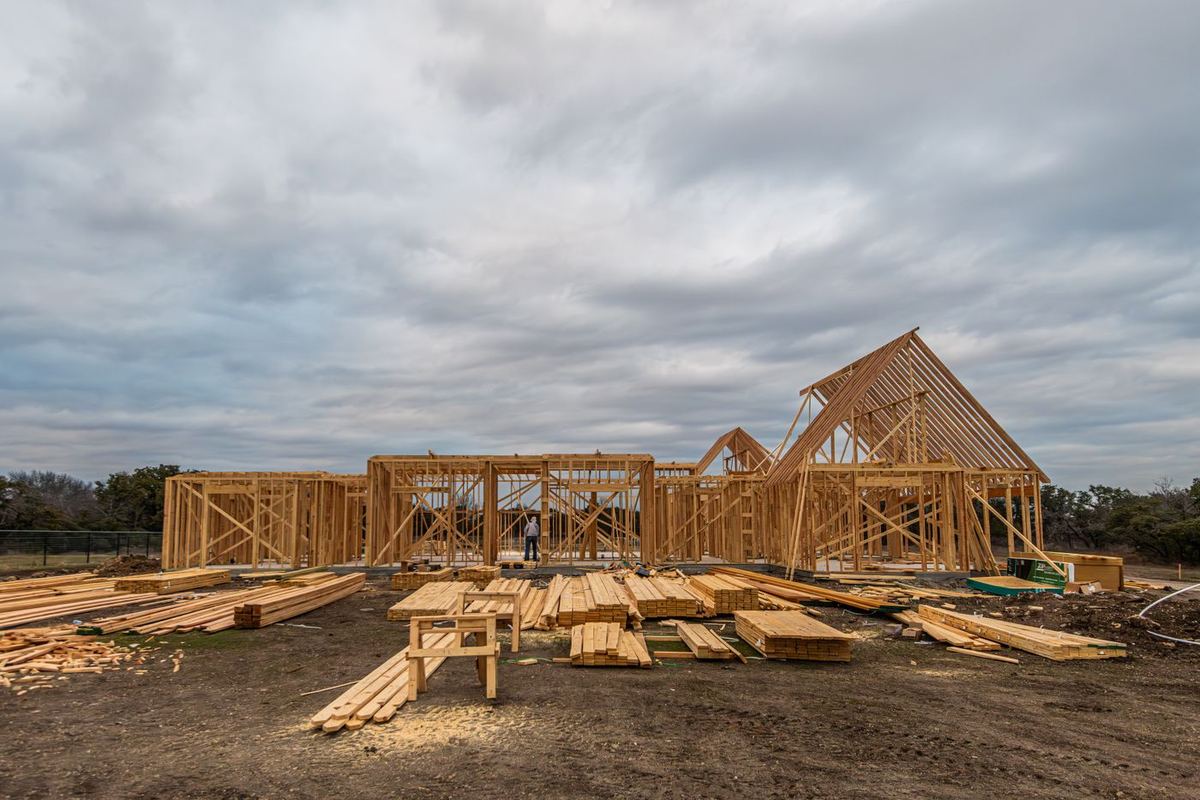
Builder’s risk insurance in Texas is temporary property coverage for a structure while it is being built or renovated. Peak Insurance helps homeowners, general contractors, investors and developers compare builder’s risk options for eligible Texas projects through our access to 60+ carriers, subject to availability and eligibility.
Texas construction brings its own questions. A house going up in Galveston County, a spec home in a North Texas suburb and a commercial renovation in Austin can face very different weather, inspection and flood issues. We serve Texas customers remotely from our Philadelphia office, and we will walk through the terms that matter for your address before you choose a policy. This page builds on our main builder’s risk insurance guide with Texas-specific detail.
What Sets Us Apart?
- Independent agency that can shop multiple carriers for Texas construction projects
- Help reading wind, hail, flood and theft terms before coverage is bound
- Support when the schedule changes, the project value grows or the lender asks for proof of coverage
Get a Free Builder’s Risk Quote in Texas
Ready to review options for your Texas project?
Call: (855) 449-8552
Online: Book a call
Office: 6110 Ridge Ave, Philadelphia, PA 19128
Builder’s Risk Insurance Services We Offer in Texas
- New Home Construction Texas: Review coverage for the dwelling, framing and materials during the build
- Renovations & Additions Texas: Discuss the new work, and the existing structure when the carrier allows it
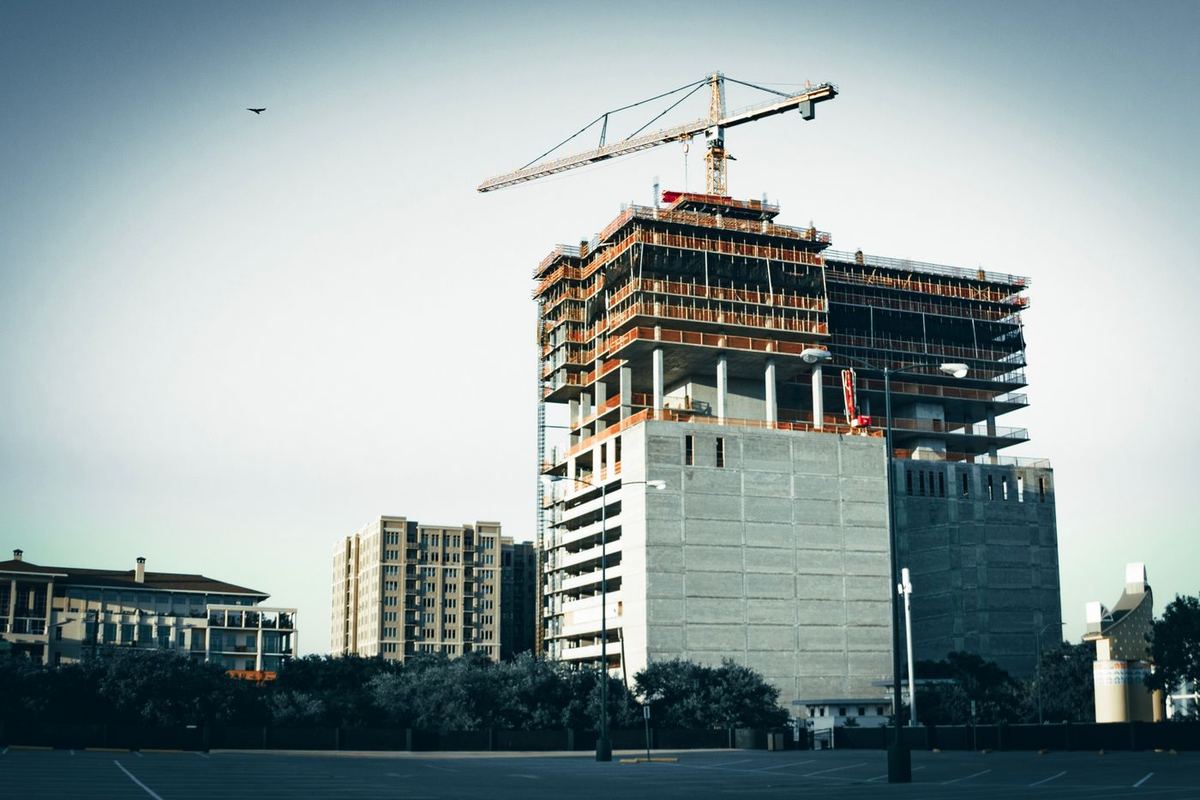
- Commercial Construction Texas: Explore options for retail, office, multifamily and mixed-use projects
- Materials in Transit & Storage: Ask about materials in transit and in temporary storage, where the form allows
- Coastal Wind & Hail Texas: Compare wind and hail terms, including coastal wind options in the catastrophe area
- Flood Insurance Texas: Explore flood endorsements or a separate flood policy
- Soft Costs & Delay in Completion: Discuss these options where available by endorsement
- Related Business Coverage: General liability, contractor’s equipment and commercial auto
Texas Coastal Wind, Hail & Flood Resources
Wind and hail are the biggest weather questions on most Texas job sites. Along the coast, the concern is hurricane and tropical storm wind. Inland, especially in North and Central Texas, the concern is more often hail and severe thunderstorm wind. A builder’s risk policy may include, limit or exclude windstorm and hail, and some carriers apply a separate wind or hail deductible or decline coastal wind entirely.
These official tools can help you review coastal wind, inspection and flood questions for a Texas project:
- Texas windstorm inspections: Texas Department of Insurance guide
- Coastal wind and hail coverage: Texas Windstorm Insurance Association
- Flood maps: FEMA Flood Map Service Center
- Hurricane season basics: National Hurricane Center climatology
Why Choose Peak Insurance for Builder’s Risk in Texas?
- Coastal Guidance: Help understanding Texas catastrophe-area wind questions
- Access to 60+ Carriers: Discuss options available for your Texas address
- Contract Review: Match the policy to what your contract or lender asks for
- Clear Explanations: Understand limits, deductibles and exclusions
- Ongoing Support: Help with extensions, value changes and claims guidance
Get a Builder’s Risk Quote in Texas
If the embedded form does not load, open the Peak Insurance form directly or call (855) 449-8552.
Texas Local References & Project Areas
We help project owners and builders across Texas. Coastal wind, hail, flash flooding and theft from open job sites can all affect builder’s risk choices, and the answers often change from one county to the next. Tell us the address and what you are building so we can discuss available options.
Builder’s Risk Insurance in Houston, Texas
Houston projects combine coastal weather with heavy rain and flood risk. Most of the City of Houston sits outside the TDI designated catastrophe area, but Harris County cities east of State Highway 146, including Pasadena, La Porte and Seabrook, are inside it, and Galveston and Brazoria counties are next door. That means a builder working across the Houston area may need different wind answers on different jobs.
Houston is also known for having no citywide zoning ordinance. Instead, the city regulates development through its code of ordinances, and many neighborhoods rely on recorded deed restrictions. Builders still need permits through the Houston Permitting Center. For builder’s risk, the practical questions are how the policy handles wind and hail, whether flood is excluded, and how theft is treated on a site that may sit open for months. Learn more about our Houston insurance services.
Builder’s Risk Insurance in Dallas, Texas
In Dallas and the rest of North Texas, hail usually matters more than hurricane wind. Spring and early summer storms can bring large hail and damaging wind, and a project with roofing, windows, siding or equipment on site may be exposed until it is fully dried in. Ask how the policy defines a hail loss, whether a separate wind or hail deductible applies, and how materials stored on site are protected.
If you are a Dallas-area builder with several spec homes, multifamily buildings or commercial shells underway at once, we can discuss whether a per-project policy or a reporting form fits your workflow, based on what carriers offer. See our Dallas insurance page for other coverage we offer there.
Builder’s Risk Insurance in Austin, Texas
Austin sits in the part of Central Texas the Lower Colorado River Authority calls Flash Flood Alley, where steep terrain, thin soils and intense rain can turn creeks into fast-moving water. The City of Austin’s Watershed Protection Department publishes flood safety resources for residents. For builder’s risk, that makes flood and water damage terms just as important as hail.
Many Austin projects are renovations, infill homes and additions on existing lots, which raises the question of how the existing structure is treated while new work is underway. Some carriers can include the existing building, and others require it to stay on a separate property policy. We review that split with you to help avoid a gap. Visit our Austin insurance page to see other options.
- Builder’s risk insurance in Houston
- Builder’s risk insurance in Dallas
- Builder’s risk insurance in Austin
- Main guide: Builder’s risk insurance overview
- Texas coverage: Texas insurance agency page for home, auto and business options
- Texas cities we serve: Houston, Dallas, Austin, San Antonio and Fort Worth
- Common needs: coastal wind eligibility, hail deductibles, flood options and theft of materials
- Related coverage from Peak Insurance: business insurance and general liability, flood insurance, surety bonds and our Houston business property wind and flood review
- Builder’s risk in other states we serve: Pennsylvania, New Jersey and Georgia
Frequently Asked Questions About Builder’s Risk in Texas
- How does builder's risk insurance work in Texas?
- A builder’s risk policy, sometimes called course of construction insurance, is written for the length of a project rather than for a full year of occupancy. Depending on the carrier and form, it may protect the building under construction, materials that will become part of it, and certain fixtures or equipment waiting to be installed. Some forms also address materials in transit or stored off site. The policy focuses on physical loss to the project itself. It is different from general liability, which addresses certain claims made by other people, and from workers’ compensation or contractor’s equipment coverage. Coverage varies by carrier and policy, so the exact causes of loss, limits, deductibles and exclusions come from the issued policy and its endorsements.
- Who buys builder's risk coverage in Texas?
- Common buyers include homeowners building a custom home or major addition, general contractors and home builders responsible for project property, real estate investors renovating or rebuilding rental or resale properties, developers of multifamily, retail or office projects, and owners whose lender or construction contract requires project coverage. The construction contract usually says who buys the policy and which parties need to be listed. Texas contracts differ, so the written agreement controls.
- Is builder's risk insurance required in Texas?
- There is no single Texas rule that requires builder’s risk on every project. A lender, owner or construction contract often requires it, so check your loan documents and contract before work begins.
- Does builder's risk cover windstorm and hail in Texas?
- It depends on the carrier and policy. Some forms include wind and hail with a separate deductible, and some exclude or limit wind in coastal areas. We review those terms with you before coverage is bound.
- What is the Texas designated catastrophe area?
- The Texas Department of Insurance (TDI) has designated 14 coastal counties as catastrophe areas: Aransas, Brazoria, Calhoun, Cameron, Chambers, Galveston, Jefferson, Kenedy, Kleberg, Matagorda, Nueces, Refugio, San Patricio and Willacy. The designation also covers certain cities in Harris County east of State Highway 146: La Porte, Morgan’s Point, Pasadena, Seabrook and Shoreacres. In these areas, private wind and hail coverage can be hard to find, and the Texas Windstorm Insurance Association (TWIA) serves as the insurer of last resort for wind and hail.
- Do I need a windstorm inspection for a coastal Texas project?
- To be eligible for TWIA coverage, new construction and many alterations, additions and re-roofs in the catastrophe area must be built to the building specifications adopted by TDI and certified. TDI says state law requires you to apply for a certificate before construction begins. A certificate of compliance for ongoing construction (Form WPI-8) is based on inspections by an appointed engineer or TDI inspector while the work is underway. Missing that step can make it harder to secure wind coverage once the building is complete, so we raise it early with coastal clients.
- How does hurricane season affect a Texas construction project?
- The Atlantic hurricane season runs from June 1 through November 30. Projects on or near the Texas coast that will be framed, dried in or partly open during those months deserve a close look at wind terms, named-storm deductibles and the carrier’s rules on binding coverage when a storm is approaching. Carriers may restrict binding new coverage while a storm is approaching, so it helps to arrange coverage before work starts.
- Is hail a concern for projects in North and Central Texas?
- Yes. The National Weather Service office in Fort Worth notes that large hail, damaging winds, flooding and tornadoes occur nearly every year in the Dallas/Fort Worth Metroplex. For a project with roofing, windows or exterior materials on site, hail terms and deductibles are worth reviewing line by line.
- Does builder's risk include flood coverage in Texas?
- Often it does not, or only by endorsement with a separate limit. Hurricane Harvey in 2017 brought catastrophic flooding to the Houston region, according to the National Hurricane Center’s report on the storm. The National Flood Insurance Program (NFIP) can insure some buildings under construction, with conditions. FEMA’s flood insurance manual says that before a building is walled and roofed, coverage can be lost if construction stops for more than 90 days, and materials are generally covered only when stored in an enclosed building on or next to the premises. We can help you check the FEMA flood map for your lot and compare NFIP or private flood options alongside the builder’s risk policy.
- Can a renovation in Texas be covered?
- Often, yes, depending on the carrier. Tell us whether the building will be occupied during the work and whether the existing structure needs coverage.
- How do I get a builder's risk quote in Texas?
- Call (855) 449-8552 or use the quote form on this page. Have the project address and county, the project type and construction type, the estimated completed value (and the existing structure value for renovations), planned start and completion dates, whether a WPI-1 windstorm application has been filed for coastal projects, site security and prior losses, and the owner, contractor, lender and other parties to be listed. Share any plans, contract or lender insurance requirements so an agent can match the policy to them.
Peak Insurance – Builder’s Risk Insurance for Texas
📞 (855) 449-8552
🌐 peakinsuranceusa.com
