
Builder’s Risk Insurance in Georgia
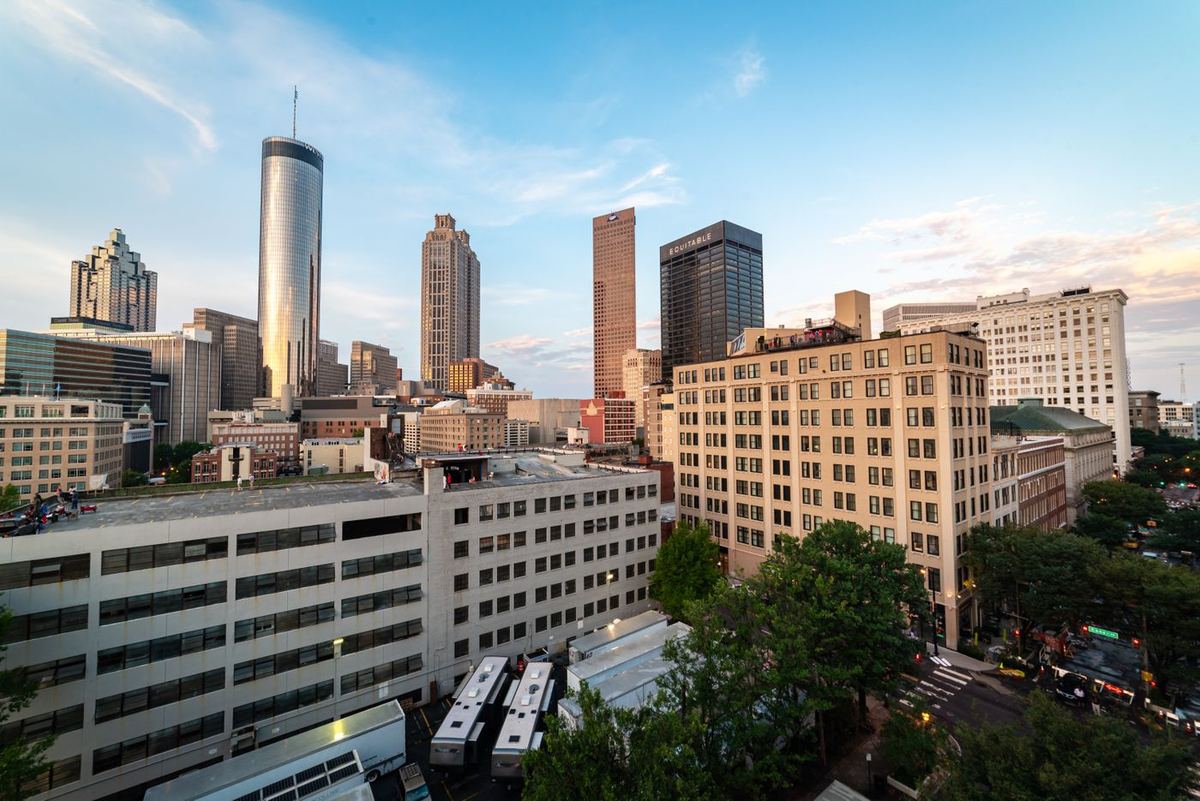
Serving Georgia Projects from Metro Atlanta to the Coast
Builder’s risk insurance in Georgia is temporary property coverage for a building while it is being built or renovated, subject to the terms of the policy. Peak Insurance helps homeowners, builders, contractors and investors compare builder’s risk options for eligible Georgia projects through our access to 60+ carriers, subject to availability and eligibility.
Georgia projects include new subdivisions around Atlanta, renovations in older neighborhoods in Savannah, Augusta, Macon and Columbus, and coastal homes along the Georgia coast. Weather on a Georgia job site can mean summer thunderstorms, hail, tornadoes and, in some years, the remnants of a hurricane well inland. To learn how these policies work in general, start with our main builder’s risk insurance guide.
What Sets Us Apart?
- Independent agency serving Georgia projects by phone and online
- Help comparing wind, hail and flood terms on construction policies
- Guidance for owners, contractors and investors in one conversation
Get a Free Builder’s Risk Quote in Georgia
Ready to review options for your Georgia project?
Call: (855) 449-8552
Online: Book a call
Office: 6110 Ridge Ave, Philadelphia, PA 19128
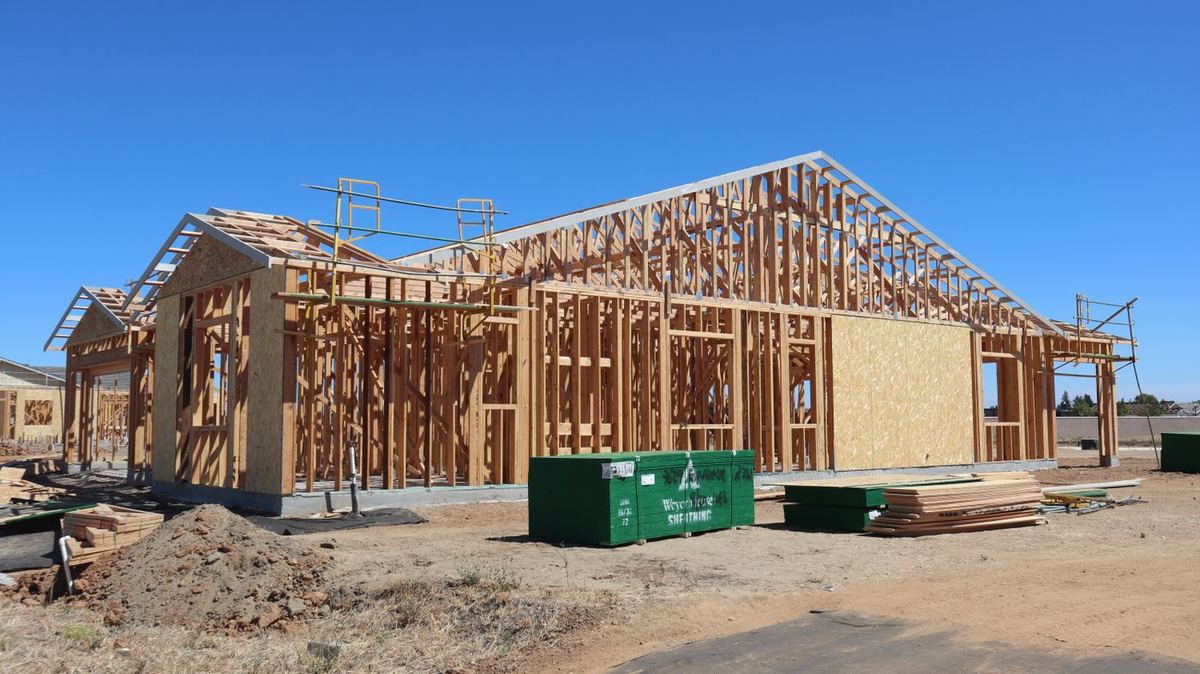
Builder’s Risk Insurance Services We Offer in Georgia
- New Home Construction Georgia: Review coverage for new homes and custom builds
- Renovations & Additions Georgia: Discuss the new work and the existing home
- Commercial Construction Georgia: Explore options for multifamily, commercial and mixed-use projects
- Coastal Construction Georgia: Discuss coastal home construction and rebuild projects
- Wind & Hail Georgia: Compare windstorm, named-storm and hail terms
- Materials in Transit & Storage: Ask about materials in transit and temporary storage, where the form allows
- Flood Insurance Georgia: Explore flood endorsements or a separate flood policy
- Soft Costs & Delay in Completion: Discuss these options where available
Georgia Coastal Wind, Hail & Flood Resources
Georgia’s Atlantic coast is short compared with some states, but coastal counties still face hurricane and tropical storm risk. The Atlantic hurricane season runs from June 1 to November 30, according to the National Hurricane Center. For projects near Savannah, Brunswick and the barrier islands, carriers may apply separate named-storm or windstorm deductibles, limit wind coverage, or restrict new policies when a storm is approaching.
Severe thunderstorms with hail, damaging wind and tornadoes can affect projects across Georgia, including metro Atlanta. Ask how the policy treats wind and hail, whether a separate deductible applies, and what protections the contractor uses for materials and partially completed work.
These official tools can help you review code, coastal permit and flood questions for a Georgia project:
- State codes: Georgia Department of Community Affairs
- Coastal permits: Georgia DNR Coastal Resources Division
- Insurance questions: Georgia Office of Commissioner of Insurance and Safety Fire
- Flood maps: FEMA Flood Map Service Center
Why Choose Peak Insurance for Builder’s Risk in Georgia?
- Statewide Help: Support for projects across Georgia
- Access to 60+ Carriers: Discuss options available for your Georgia address
- Weather-Aware Review: Look at wind, hail and flood terms together
- Clear Explanations: Understand limits, deductibles and exclusions
- Ongoing Support: Help with extensions, value changes and claims guidance
Get a Builder’s Risk Quote in Georgia
If the embedded form does not load, open the Peak Insurance form directly or call (855) 449-8552.
Georgia Local References & Project Areas
We help project owners and builders across Georgia. Inland wind and hail, coastal storms, flood exposure and theft from open job sites can all affect builder’s risk choices. Tell us the address and what you are building so we can discuss available options.
Builder’s Risk for Metro Atlanta, Georgia Projects
Atlanta and its suburbs include new subdivisions, infill homes, townhomes and commercial projects. On larger or multi-home sites, builders may compare a per-project policy with a reporting form that adds homes as they start, subject to carrier rules. Theft of materials and appliances, fire and storm damage are common underwriting topics.
In September 2024, Hurricane Helene moved across Georgia and caused widespread wind damage, millions of downed trees and power outages, along with heavy rain and flooding around the Atlanta area, according to the National Weather Service in Peachtree City. Tree-heavy lots, temporary power and partially enclosed buildings are worth discussing with your contractor and with us before work starts.
Building Near the Georgia Coast
The Georgia Department of Natural Resources Coastal Resources Division serves 11 coastal counties: Brantley, Bryan, Camden, Charlton, Chatham, Effingham, Glynn, Liberty, Long, McIntosh and Wayne. Work in coastal marshlands may need a permit under the Coastal Marshlands Protection Act, and projects in shore areas covered by the Shore Protection Act must meet that law’s standards, which include hurricane-resistant construction requirements for certain structures.
These rules are separate from insurance, but they affect design, timing and how long a project is exposed during construction. Carriers may ask about the construction type, elevation and distance to the coast, so it helps to have that ready. In Savannah, coastal wind, flood maps and historic district rules can all shape a renovation or new build.
Builder’s Risk Across Georgia
In Augusta, Macon and Columbus, many projects are renovations of older homes and buildings, where the value of the existing structure and the scope of work affect how a policy is written. For a renovation, ask whether the policy covers only the new work or also the existing building, and whether the building can be occupied while work goes on. Some carriers handle these situations with a renovation form or by endorsement.
- Main guide: Builder’s risk insurance overview
- Georgia coverage: Georgia insurance agency page for home, auto and business options
- Georgia areas we serve: Atlanta, Savannah, Augusta, Macon and Columbus
- Common needs: inland wind and hail, coastal wind and flood, renovations and new subdivisions
- Related coverage from Peak Insurance: business insurance and general liability, flood insurance, surety bonds and our Atlanta small business insurance checklist
- Builder’s risk in other states we serve: Texas, Pennsylvania and New Jersey
Frequently Asked Questions About Builder’s Risk in Georgia
- How does builder's risk insurance work in Georgia?
- A builder’s risk policy generally covers the structure under construction and, depending on the form, building materials and supplies at the site, in transit or in temporary storage. Some policies offer soft costs or delay in completion coverage by endorsement. Coverage varies by carrier and policy. The policy is meant for the construction period. It usually ends at a point set in the policy, such as completion, occupancy or the expiration date, and permanent property coverage should be ready to take over. It does not cover liability, injuries to workers or a contractor’s own tools and equipment, which need separate coverage.
- Who needs builder's risk coverage in Georgia?
- Common buyers include homeowners building a custom home or major addition, builders and general contractors with project property at risk, real estate investors renovating houses and small multifamily buildings, developers of commercial and mixed-use projects in Georgia cities, owners of coastal properties rebuilding or renovating, and borrowers whose construction loan requires coverage. Your contract or lender documents usually say who must buy the policy and who must be named on it.
- Is builder's risk insurance required in Georgia?
- Georgia does not have one rule requiring builder’s risk on every project. Lenders, owners and construction contracts often require it, so check those documents.
- How do Georgia building codes affect builder's risk?
- Georgia adopts statewide minimum standard codes through the Department of Community Affairs, and local governments that choose to enforce them handle permits and inspections. Your local permit and inspection schedule is a good guide to the policy term you will need.
- Does builder's risk cover hurricane wind in Georgia?
- It depends on the carrier and policy. Coastal projects may have separate named-storm or windstorm deductibles, limits or exclusions, and inland projects should review wind terms too. An unfinished roof or open walls can be vulnerable to wind and wind-driven rain wherever the site is.
- Does builder's risk cover hail damage in Georgia?
- Many policies can include hail, but terms and deductibles vary by carrier and policy. Review the wind and hail section of your quote.
- How can I prepare a Georgia job site for storms?
- Because builder’s risk coverage depends on the carrier and policy, the best way to limit storm losses is often on the job site itself. Many Georgia contractors store lumber, roofing and other materials in a secure, covered area when possible, brace walls and trusses during framing following the design professional’s direction, get the roof dried in and windows set as early as the schedule allows, secure dumpsters, portable toilets and loose debris that wind could move, and keep photos and invoices for delivered materials in case a claim is needed. If a tropical storm watch or warning is issued for your area, check your policy’s terms before you try to change coverage, because carriers may restrict new policies or changes while a storm is approaching.
- Is flood included in a Georgia builder's risk policy?
- Often it is not, or only by endorsement. The National Flood Insurance Program can insure some buildings under construction, subject to FEMA’s rules, including limits for buildings that are not yet walled and roofed and for materials not stored in an enclosed building on or next to the premises. Construction that stops for more than 90 days before the building is walled and roofed can affect eligibility. Low-lying coastal sites, river floodplains and creeks in fast-growing suburbs can all carry flood exposure, so check the FEMA flood map for your address.
- Can I get builder's risk for a renovation in Georgia?
- Some carriers write renovation projects. Tell us the scope of work, the value of the existing building and whether it will be occupied.
- How do I get a builder's risk quote in Georgia?
- Call (855) 449-8552 or use the quote form on this page. Have the project address and county, the project type, the estimated completed value (and the existing structure value for renovations), planned start and completion dates, construction type, roof type and site security, permit status and any coastal permits that apply, and the owner, contractor, lender and other parties to be listed. Share plans, your contract or lender requirements when you request a quote.
Peak Insurance – Builder’s Risk Insurance for Georgia
📞 (855) 449-8552
🌐 peakinsuranceusa.com
