
Builder’s Risk Insurance in Dallas
Serving Dallas Builders with Hail Reviews and Project-by-Project Planning
Builder’s risk insurance in Dallas is about the property being built or renovated and the way your construction business operates. One custom home needs a different application discussion from a builder starting several homes over the year. Peak Insurance helps owners, contractors and developers explore available options through our access to 60+ carriers, subject to availability and eligibility.
For a Dallas job, start with hail and wind terms, the stage of the building envelope and the value of materials awaiting installation. For a builder with multiple sites, also compare how jobs enter and leave the insurance program. We serve Texas clients remotely from Philadelphia. We do not assume that one policy structure, deductible or reporting method fits every builder or every address.
What Sets Us Apart?
- A review built around one project or a documented schedule of multiple jobs
- Help comparing wind and hail deductibles, property definitions and material-storage terms
- Attention to project starts, reporting duties and the handoff to completed-property insurance
Get a Free Builder’s Risk Quote in Dallas
Ready to review options for your Dallas project?
Call: (855) 449-8552
Online: Book a call
Office: 6110 Ridge Ave, Philadelphia, PA 19128
Builder’s Risk Insurance Services We Offer in Dallas
- Dallas Custom Homes: Review a single address, construction value and planned completion date
- Dallas Spec Home Programs: Discuss project enrollment and reporting responsibilities where offered
- Dallas Renovations: Separate existing property from additions and new work
- Commercial Construction: Describe shells, tenant improvements and ownership interests
- Wind & Hail Terms: Compare deductibles, exclusions and proposed endorsements
- Stored Materials: Identify supplier locations, deliveries and temporary storage
- Project Changes: Review increased values, pauses and requests for extensions
- Related Business Coverage: Discuss liability, equipment, vehicles and surety needs separately
Dallas Hail, Wind & Flood Resources
The National Weather Service Dallas/Fort Worth climate narrative says severe-weather frequency peaks in spring. It notes that large hail, damaging winds, flooding and tornadoes occur nearly every year somewhere in the Metroplex, while a specific location is unlikely to experience all of those events every year. That regional history supports a careful hail review; it is not a loss prediction for your project.
TDI’s commercial property guide also explains why exclusions and separate flood insurance matter. It is general commercial-property guidance, not the wording of a builder’s risk policy. Use it to prepare questions, then compare the actual project proposal and endorsements.
- National Weather Service Dallas/Fort Worth climate narrative
- TDI commercial property insurance guide
- FEMA Flood Map Service Center
Why Choose Peak Insurance for Builder’s Risk in Dallas?
- Program Fit: Discuss the number, timing and type of Dallas projects you start
- Access to 60+ Carriers: Discuss options available for your Texas address
- Deductible Review: Read the proposed wind and hail provisions before choosing
- Clear Responsibilities: Identify who sends project reports and change notices
- Continuity: Plan for finished homes, sales, occupancy and the next project
Get a Builder’s Risk Quote in Dallas
If the embedded form does not load, open the Peak Insurance form directly or call (855) 449-8552.
Dallas Local References & Project Areas
The main decision is not simply whether to buy builder’s risk. It is how the proposed policy responds to your actual workflow. Use the following comparison when discussing a single Dallas build, a series of spec homes or a renovation business with overlapping jobs.
Hail review before the roof and windows are complete
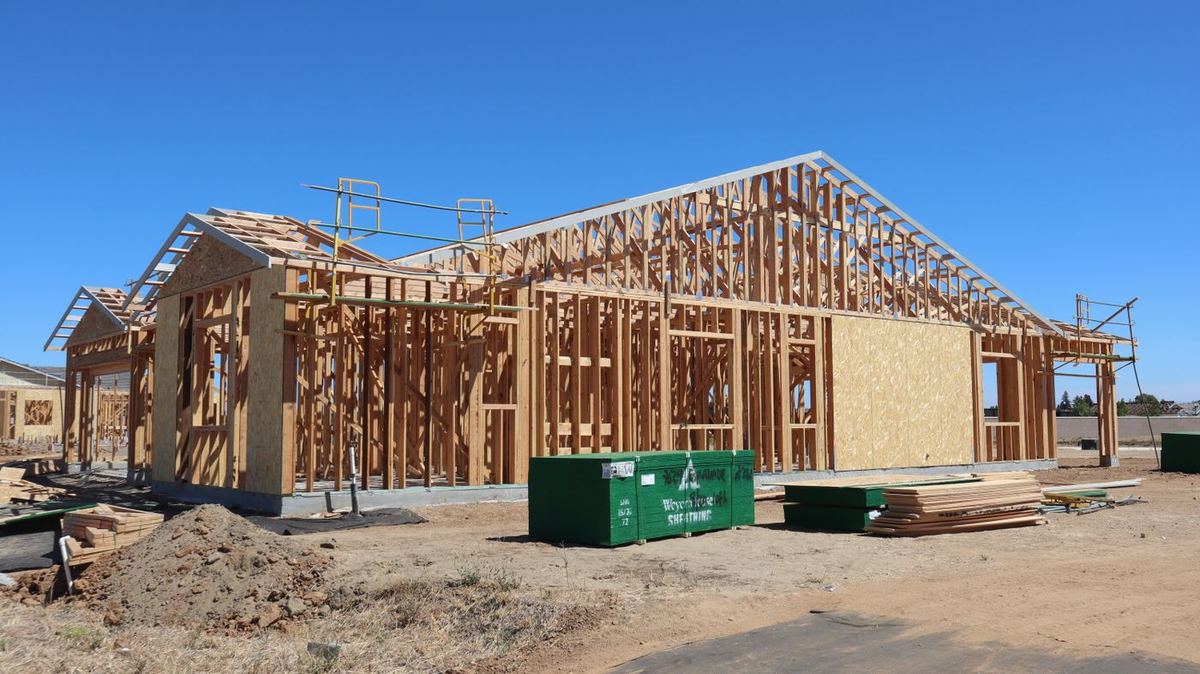
Make a list of the parts of the project exposed at each stage: framing, roof decking, roof covering, windows, exterior finishes and equipment awaiting installation. Then ask how the proposed form treats hail and wind damage to those items. A quote summary can hide important details about property definitions and exclusions. Request the deductible wording rather than relying on a general description such as storm coverage.
If the proposed wind or hail deductible is a percentage, ask which value the percentage applies to. Also ask whether the policy uses different deductibles for different causes of loss and whether any minimum applies. We do not quote a universal deductible for Dallas because terms depend on the proposal. The useful comparison is the potential retained amount under the actual wording, alongside the property limit and any sublimits.
Document construction progress and keep delivery records before a storm occurs. If a loss happens, follow the policy’s notice and protection-of-property duties and retain records of the condition and work completed. Weather precautions do not replace insurance, and an inspection or a new roof does not prove that hail is included. Coverage turns on the issued form and the facts of the loss.
Per-project policies: a defined address and construction period
A per-project arrangement is commonly considered when an owner or builder wants to insure one identified construction job. The application describes that address, the work, the value and expected dates. For a Dallas custom home, the owner, builder and lender should agree who purchases the coverage and whose interests need to be shown. A lender’s checklist is useful, but it is not itself the insurance contract.
This approach can make it easier to organize the paperwork for a single job. It does not mean every policy runs until the home sells or that the printed expiration is the only endpoint. Ask about completion, acceptance, occupancy and any cessation-of-work condition. If the owner plans to move into a finished portion while work continues, that fact belongs in the initial submission.
Consider what happens if the schedule slips or the construction budget changes. Keep someone responsible for tracking expiration and change orders. An extension or a higher value may require approval and is not automatic. For a renovation, identify the existing building separately; a project value describing only labor and new materials can leave the property discussion incomplete.
Reporting forms: more than putting several jobs on one list
A reporting arrangement, if offered to your business, may use periodic reports to identify eligible projects or their values. Its usefulness depends on the actual contract. It is not a blanket promise that every new Dallas job is insured from the first day. Ask when coverage attaches, which projects qualify, when a report is due and what happens if a job is late, omitted or incorrectly valued.
Before choosing this structure, compare your pipeline with the insurer’s eligibility rules. Include the number of starts, construction types, expected completed values, renovation share and any work outside the usual area. A program suitable for repetitive new homes may not accept a commercial conversion or a partly completed acquisition on the same basis. Obtain confirmation rather than assuming an unusual job can be added later.
Set up an internal responsibility for reports, even if another party helps prepare them. Match project addresses consistently to contracts, budgets and closing records. Track jobs from start through completion and retain copies of reports and confirmations. If your accounting system records only land acquisition or sales, it may not provide the values or dates the insurer requests. The policy’s reporting clause determines the obligation.
Compare per-project and reporting proposals using the same assumptions. Look at property limits, catastrophe or other aggregate limits if present, wind and hail deductibles, storage terms, completed-but-unsold treatment and end-of-coverage triggers. A reporting form is an administrative and underwriting choice, not automatically broader protection or a better option for every builder.
Keep flood, liability and equipment outside the shorthand
Dallas is not a Gulf Coast city, but that does not answer a flood question. Check the exact site using FEMA’s map service and discuss surface-water exposure separately from hail. The TDI guide notes that most commercial property policies exclude flooding; for a builder’s risk proposal, ask for the specific flood exclusion or endorsement. Never infer flood coverage just because a quote mentions water damage.
Project property, liability and contractor equipment have different roles. A stolen item intended to become part of the building raises different wording questions from a stolen contractor tool. A claim for damage to a neighbor’s property is not the same as damage to the insured project. Keep equipment schedules and general liability requirements available for a separate review. A surety bond is another distinct obligation, not a replacement for property insurance.
For the submission, send the address, scope, construction type, budget, dates, progress photographs, loss history and lender requirements. Multi-job builders should add a project schedule and explain who can produce reports reliably. Plan the completed-property coverage before occupancy, sale or acceptance changes the project’s status. Share those dates with the agent rather than waiting until after the construction policy ends.
Frequently Asked Questions About Builder’s Risk in Dallas
- Is hail automatically included in Dallas builder's risk?
- No universal answer applies. Ask whether the proposed form includes wind and hail, whether an exclusion or endorsement changes that answer, and which deductible applies. The regional severe-weather history is a reason to ask, not proof of coverage. Read the quote with the policy wording before relying on it.
- Should a Dallas builder use per-project or reporting coverage?
- Compare the options available for the business. A single identified job may fit a per-project proposal. A builder with recurring eligible starts may consider a reporting arrangement if offered. Reporting duties, attachment rules, limits and treatment of missed reports matter as much as convenience. Neither structure is automatically the right choice.
- Does a reporting form insure every new job automatically?
- Do not assume that. Ask which jobs are eligible, when they must be reported, when coverage begins and what the policy says about omissions. A commercial job, large renovation or project outside the usual territory may need separate approval. Keep evidence of reports and the insurer's confirmations.
- What happens to a finished but unsold spec home?
- Check the policy's completion, acceptance, occupancy and expiration provisions. A home remaining unsold does not by itself extend builder's risk indefinitely. Explain any model-home use, open-house activity or planned occupancy and discuss the appropriate completed-property arrangement before the current coverage ends.
- Can I request a quote while construction is underway?
- Tell us the current stage and original start date. Provide photographs, the remaining scope and any known losses or damage. A carrier may decline or impose conditions on an in-progress project, so a quote request is not confirmation of coverage. Call (855) 449-8552 or use the form for an initial review.
Peak Insurance – Builder’s Risk Insurance for Dallas
📞 (855) 449-8552
🌐 peakinsuranceusa.com
